The Evolution of Modern Living in Denver: From Mid-Century Roots to Contemporary Innovation
Photo Credit: Cadence Studio
Few cities in America reflect the story of modern residential design as dynamically as Denver. From its post-war expansion to its present-day architectural renaissance, the Denver metro area has evolved into a showcase of mid-century vision and contemporary reinvention.
Mid-Century Modern Roots: 1950s–1970s
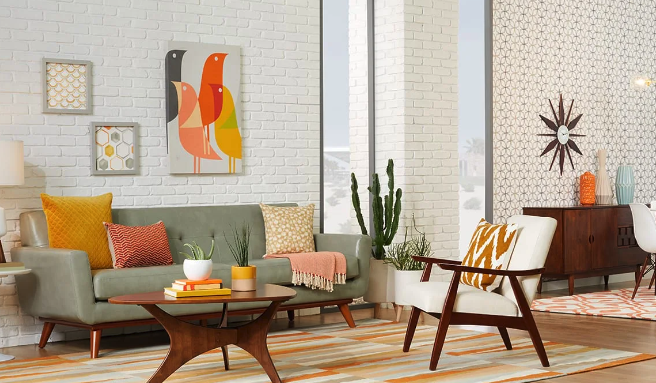
As Denver boomed in the mid-20th century, modernist ideals took hold in neighborhoods across the metro area. Influenced by the principles of simplicity, functionality, and connection to nature, architects and builders embraced open floor plans, clerestory windows, and indoor-outdoor living spaces that suited Colorado’s abundant sunshine and mountain views.
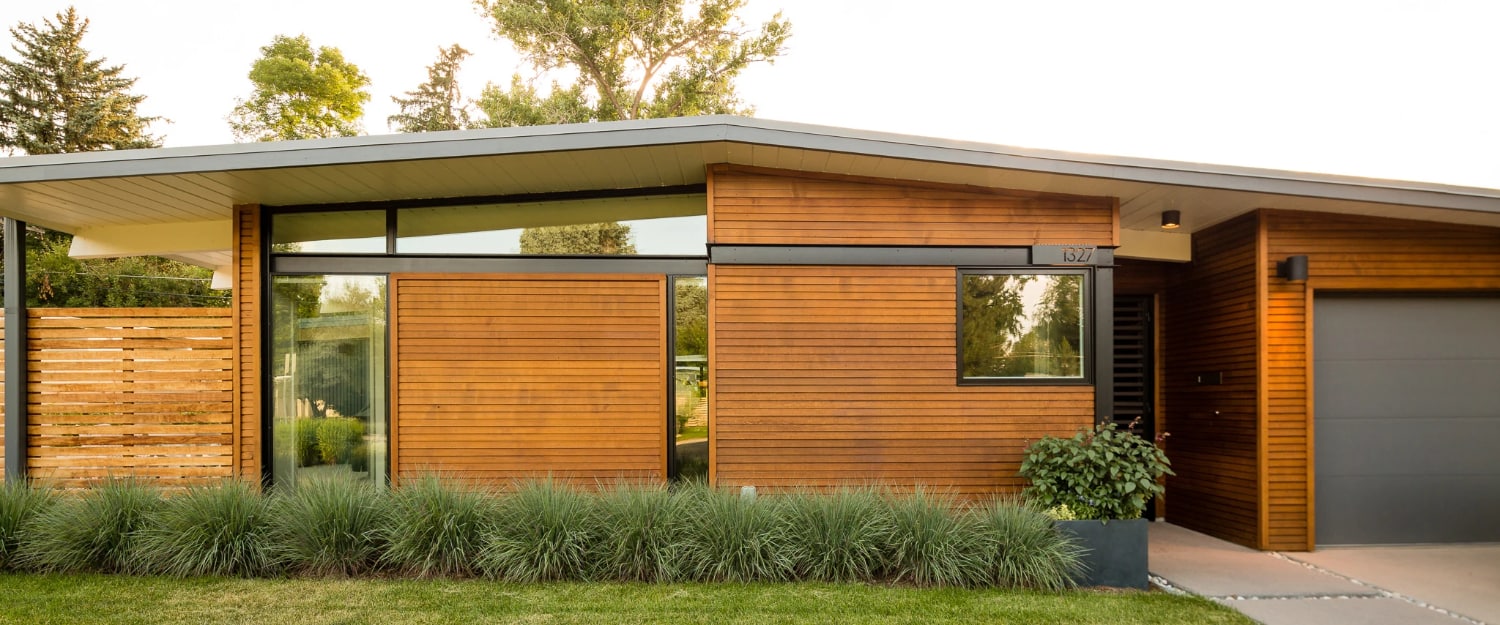
Many of Denver’s earliest mid-century modern homes appeared in neighborhoods like Krisana Park, Lynwood, and Harvey Park, where builders such as H.B. Wolff and Edward Hawkins introduced designs inspired by California modernists like Joseph Eichler. These homes featured low-pitched roofs, post-and-beam construction, and walls of glass that blurred the line between living spaces and landscaped yards. Today, these neighborhoods are prized by design enthusiasts and preservationists alike. Restoration projects often balance period authenticity with subtle updates for modern comfort.
The Rise of Contemporary Design: 1990s–Today
After a quieter period in the late 20th century, Denver’s renewed growth and influx of creative professionals sparked a modern design resurgence. By the late 1990s and early 2000s, architects began reinterpreting the mid-century ethos through a contemporary lens. Neighborhoods such as Highlands, LoHi, and Berkeley became hotspots for sleek new homes that emphasized sustainability, minimalist forms, and high-performance materials. Glass, steel, and concrete replaced wood-beam nostalgia, while flat roofs, cantilevered decks, and expansive glazing reflected the confidence of a city looking forward.
Developments in Cherry Creek, Hilltop, and Stapleton (now Central Park) further demonstrate Denver’s embrace of clean lines and open concepts. Many contemporary homes integrate advanced energy systems, smart-home technology, and passive-solar design—all while maintaining the mountain-modern aesthetic that ties Denver’s architecture to its natural surroundings.
Preserving the Past, Inspiring the Future
Denver’s modern architecture tells a story of continuity: from the optimism of the post-war era to today’s focus on innovation and sustainability. Local organizations like Historic Denver and dedicated homeowners continue to protect and restore the city’s mid-century landmarks, ensuring that this design legacy remains part of the city’s fabric even as new contemporary homes push boundaries.
Whether it’s a lovingly restored 1955 ranch in Krisana Park or a brand-new glass-and-steel residence overlooking Sloan’s Lake, Denver remains a city where modernism feels entirely at home.