Why Portland and Seattle Became Hubs for Modern Residential Architecture
The Pacific Northwest has become one of the most influential regions in the country for modern residential architecture, and two cities in particular stand at the center of that story. Portland and Seattle have embraced contemporary design in a way that feels authentic to the landscape, the climate, and the culture of the region. Their approach is not about trends or flashy statements. Instead, it is rooted in lifestyle, sustainability, and a deep respect for the natural environment. This combination has made both cities magnets for homeowners and architects who are drawn to modern forms of living.
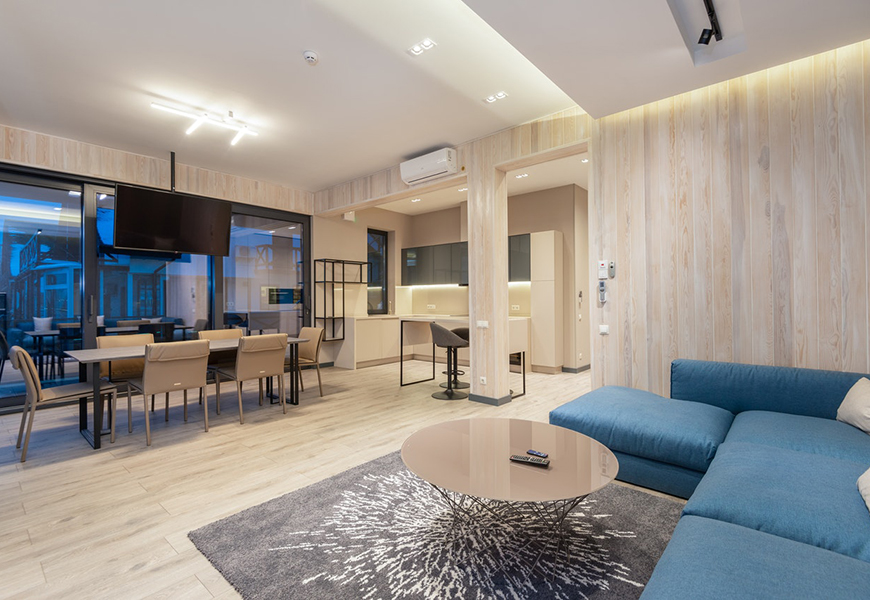
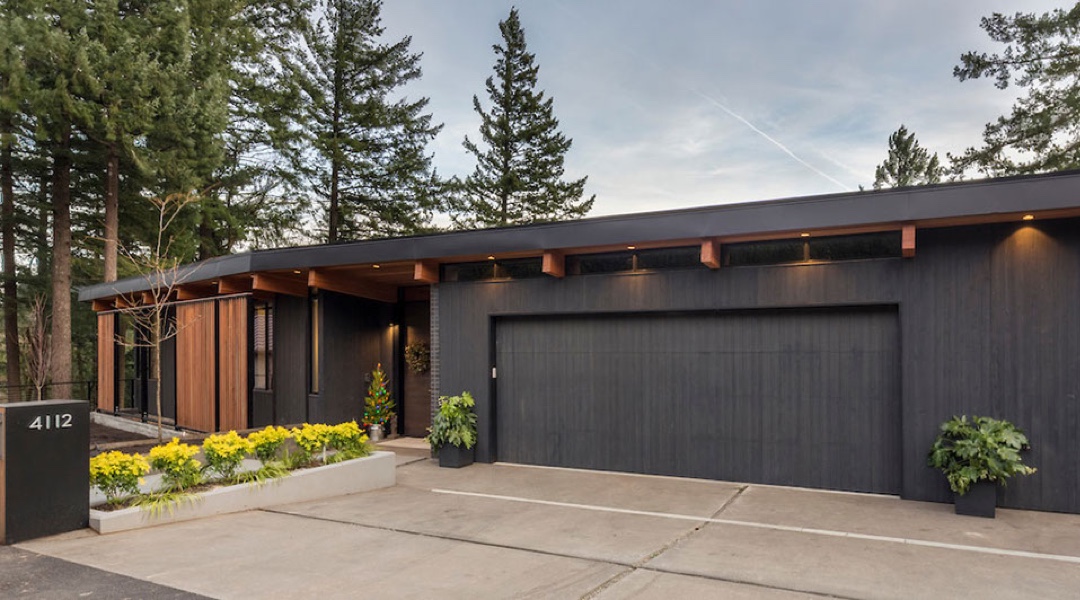
Both cities share a common thread. They celebrate homes that feel open, warm, and connected to the outside world. Architects in the region often use materials that honor the forests and waterways that define the Pacific Northwest, combining natural wood, expansive windows, sculptural rooflines, and flexible interior layouts. The result is a modern style that feels timeless but also deeply tied to the specific character of the region.
One of the major reasons Portland and Seattle became hubs for modern architecture is the culture of experimentation that thrives in both cities. For decades, residents have valued alternative housing types, custom design, and progressive forms of construction. This mindset helped architects push boundaries and refine the Northwest Contemporary aesthetic. The region embraced modernism in the mid twentieth century through the work of designers like Van Evera Bailey, Pietro Belluschi, and John Yeon, who believed that a home should work in harmony with the land. Later, builders like Robert Rummer brought these ideas to a broader audience through communities of affordable modern homes that remain sought after today.
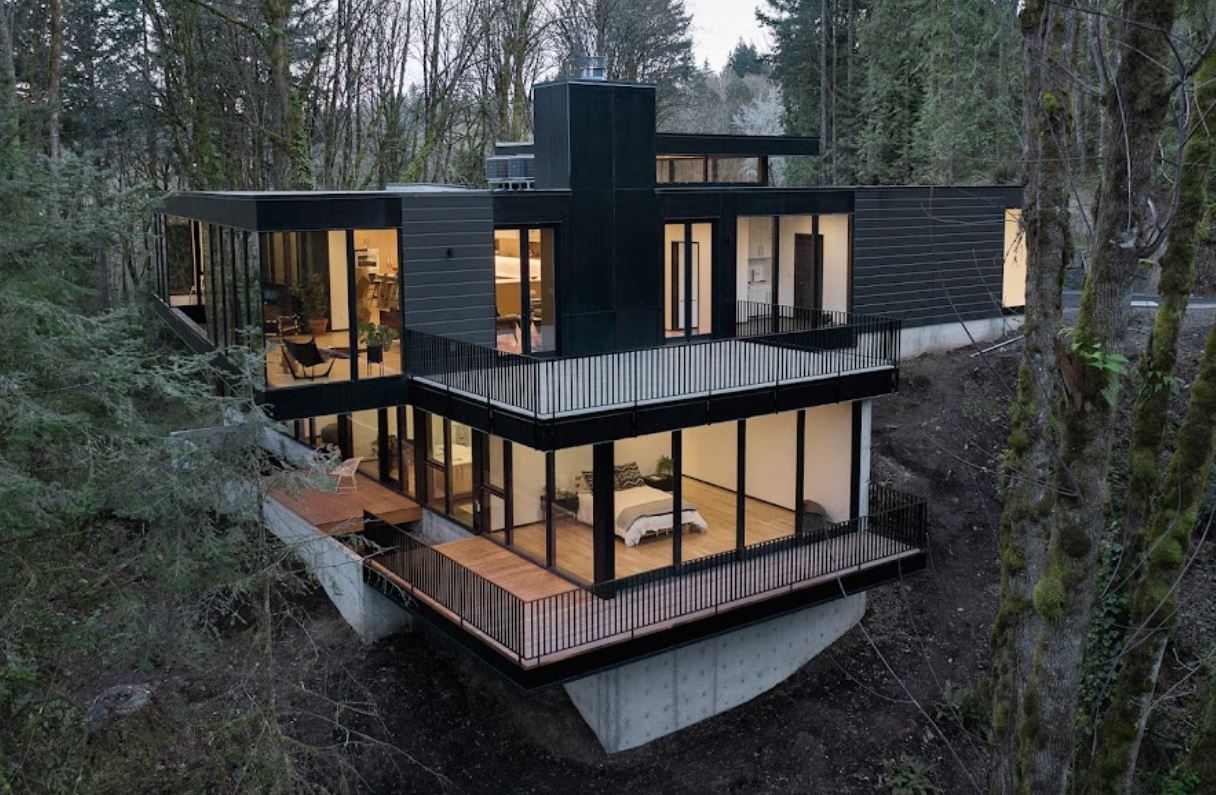
The local climate has also shaped the modern architecture in unique ways. With months of overcast skies and rain, designers prioritized natural light and indoor spaces that feel open and inviting. Floor to ceiling windows, clerestory windows and carefully oriented skylights have become essential tools for soft daylighting. Covered patios, deep overhangs, and protected outdoor rooms extend usable space throughout the year. These practical features form a core part of what makes Pacific Northwest modernism so distinctive.
Sustainability has long been a driving force in both cities. Portland and Seattle were early adopters of green building practices and energy efficient design, and local homeowners have consistently supported ecological approaches. Architects in the region often incorporate renewable materials, advanced insulation techniques, passive ventilation, and durable low maintenance finishes. These principles align naturally with modern architecture, which emphasizes clean lines, honest materials, and functional simplicity.
Another factor is the natural beauty of their surrounding landscapes. The region is defined by towering evergreens, volcanic mountains, and dramatic coastlines, and the architecture often mirrors these bold natural forms. Homes frequently sit on sloping lots or wooded sites, encouraging designs that step with the terrain and create framed views of the surroundings. The landscape does not just serve as a backdrop - it becomes an active partner in the design.
The culture of local craftsmanship has also contributed to the rise of modern homes. Both cities have proud communities of fabricators, woodworkers, metalworkers, and artisans who collaborate closely with architects. This hands on approach elevates even modest homes and helps create clean, modern details without losing the warmth and craft that define the region. Just look at how that collaboration translated into the beautiful new PDX airport!
Today, Portland and Seattle continue to attract architects and buyers who value contemporary design. The cities offer an environment where creativity is supported, sustainable building is expected, and natural beauty surrounds daily life. The modern homes found across the Pacific Northwest are not just reflections of global trends. They express the personality of two cities that have grown around innovation, nature, and a shared belief in better ways of living.